
Side by Side, Worlds Apart: The Invisible Lives behind Saigon’s Shine
In the collective imagination, Saigon is defined by its bustling city center, iconic skylines, and the rapid pace of a modernizing economy. Yet, just beyond the gleaming facades lies another reality, a fragmented landscape where the people who fuel our city’s industries reside in the shadows. My research into the Tan Tao A slum in Binh Tan District, situated right beside the Tan Tao Industrial Park, revealed a stark dichotomy that challenges our understanding of urban progress.
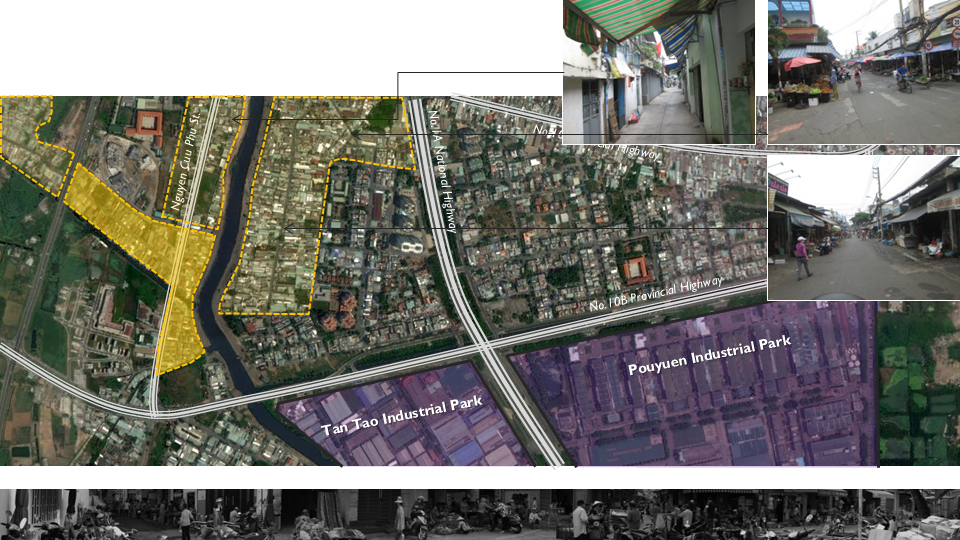
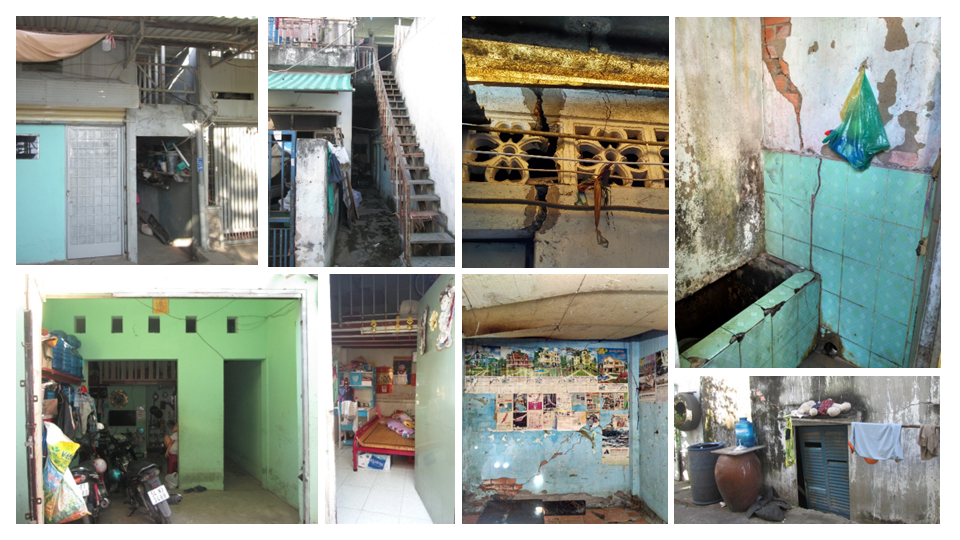
This is a world built on necessity. Thousands of workers, having migrated from impoverished villages in search of opportunity, find themselves unable to afford the housing provided by the formal urban market. The result is an informal residential landscape characterized by precarious structures, cracked walls, and cramped living quarters. Walking through these alleys, the contrast is visceral: the very individuals who create the value sustaining our city’s factories are the ones living in the most neglected conditions.
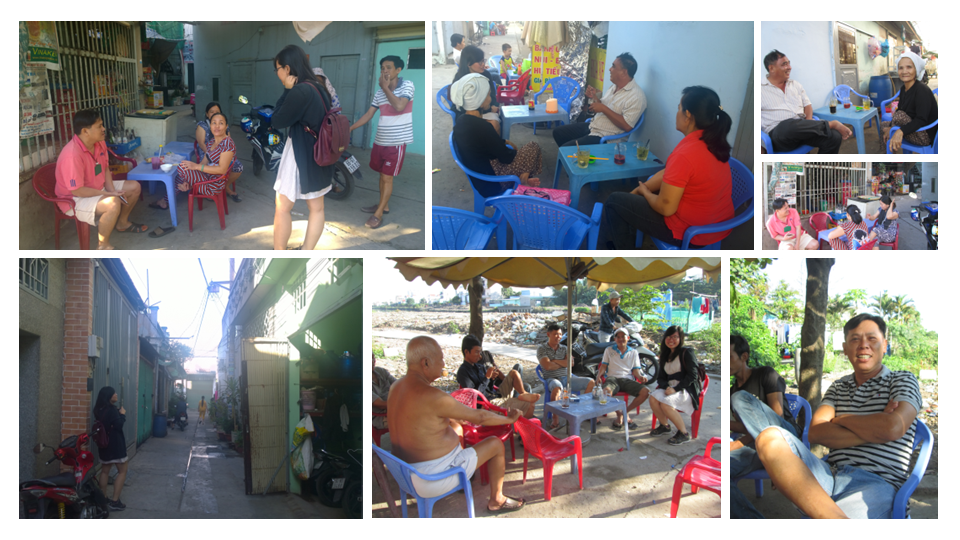
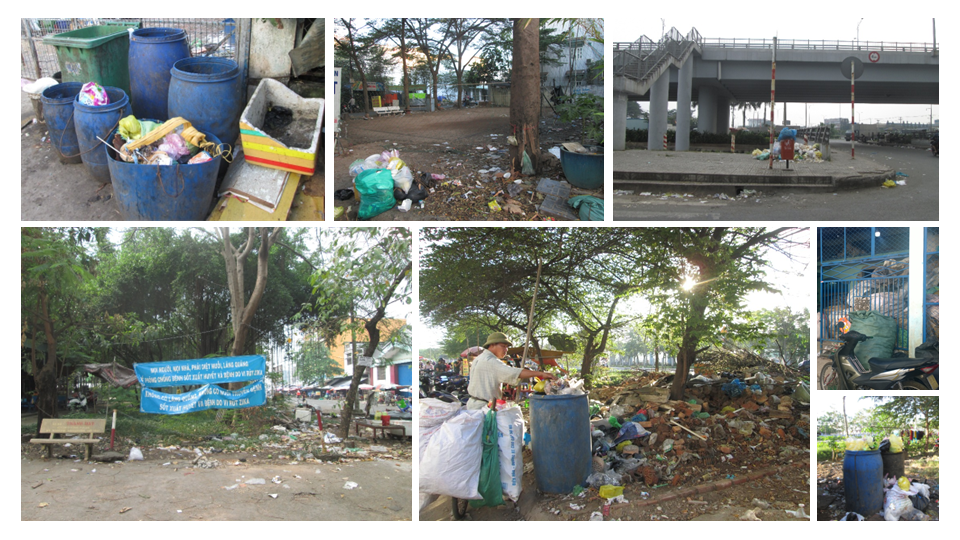
During my fieldwork, I observed the texture of daily life in Tan Tao A. I spent time sitting with residents, listening to their stories as they gathered on plastic stools. While I found myself truly enjoying these conversations, deeply moved by their warmth and resilience, the experience was simultaneously heart-wrenching. Everywhere I looked, I also saw the weight of this neglect, trash piles accumulating in public spaces and along infrastructure, underscoring the lack of formal support systems for these resilient neighborhoods.
These workers are like the air we breathe: essential to our survival, yet invisible, forgotten, and tragically undervalued. I could not help but reflect on how profoundly our city depends on them; Saigon simply could not survive, nor could it function, without the tireless, hard work of these very people who exist right beside us, yet worlds apart.
I am reminded of a profound question posed during a lecture at TU Darmstadt. A student asked why we cannot simply clear these slums or relocate them further from urban centers. My professor’s response was a defining lesson in empathy and urban ethics: “Who do you think we are to move someone’s home?” This perspective is crucial. The slum is not a blight to be erased; it is the “other side of the coin” of urban sprawl in Vietnam, an inevitable, organic response to an industrial machine that requires labor but fails to provide the basic dignity of housing for that labor force.
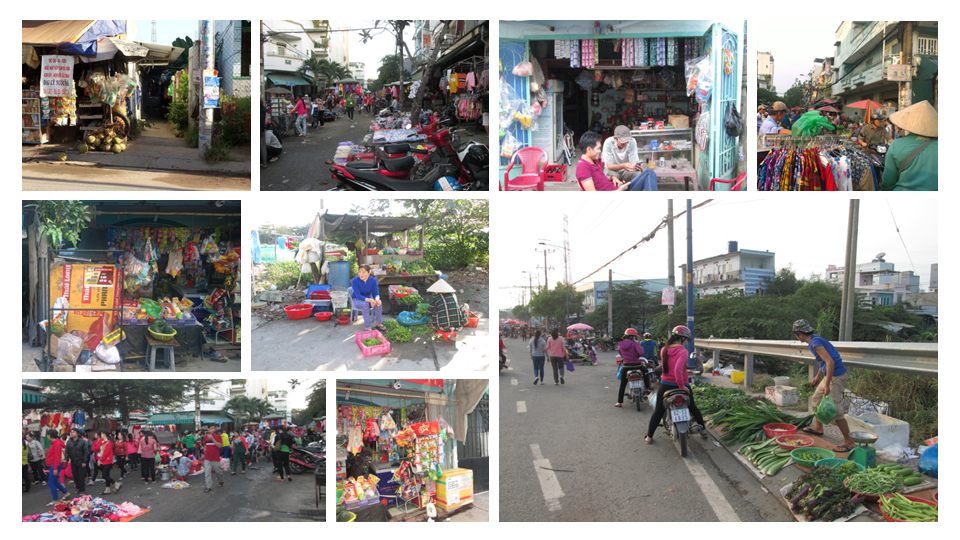
To turn our backs on these communities is to ignore the people who make our current urban lifestyle possible. We must recognize that the fragmented nature of Saigon, the distance between the Central Business Districts and the industrial slums of Binh Tan, is a symptom of a larger, systemic oversight. Moving toward a more inclusive future requires us to stop viewing these areas as problems to be removed and start seeing them as integral, living parts of our urban fabric that deserve our attention, our resources, and, most importantly, our respect.
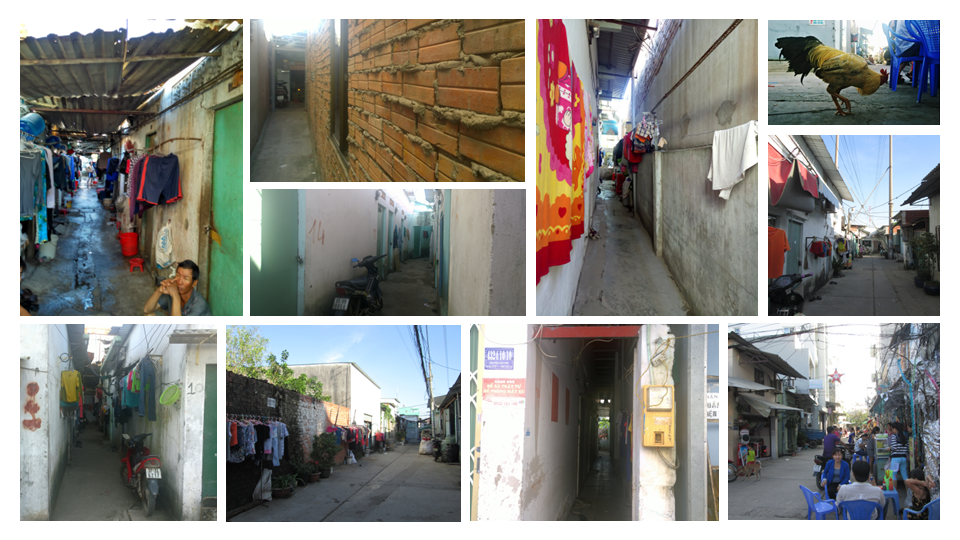
Saigon is a land of dreams, but those dreams will remain incomplete as long as they are built upon the invisible labor of the forgotten. A city’s greatness is not measured by the height of its tallest skyscraper, but by the dignity it affords its most vulnerable residents. By choosing to see, support, and integrate these communities, we do more than fix a housing problem, we begin to heal the soul of the city itself.