Beyond the Orchard: How the Pomelo Binds Urban and Rural
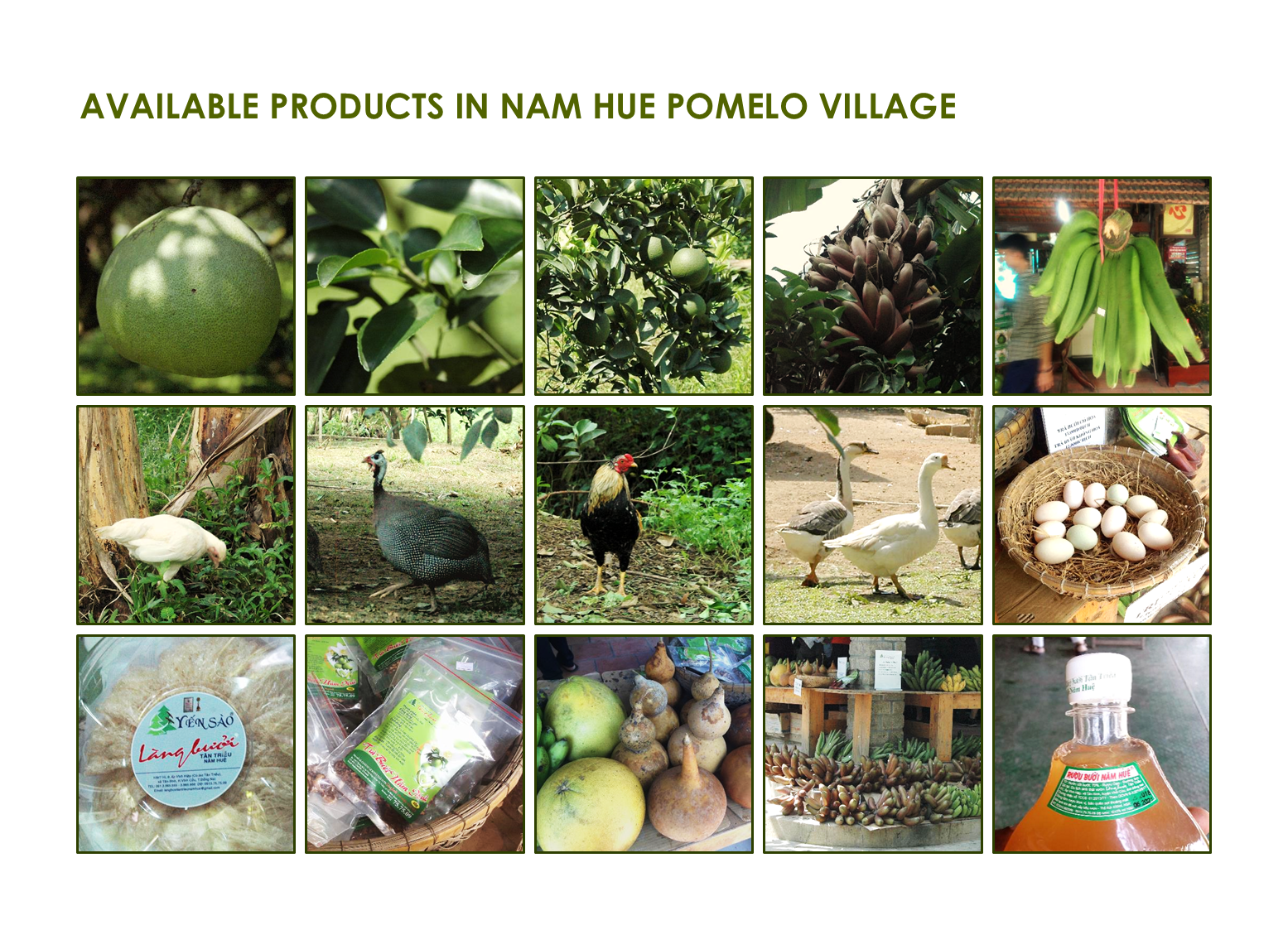
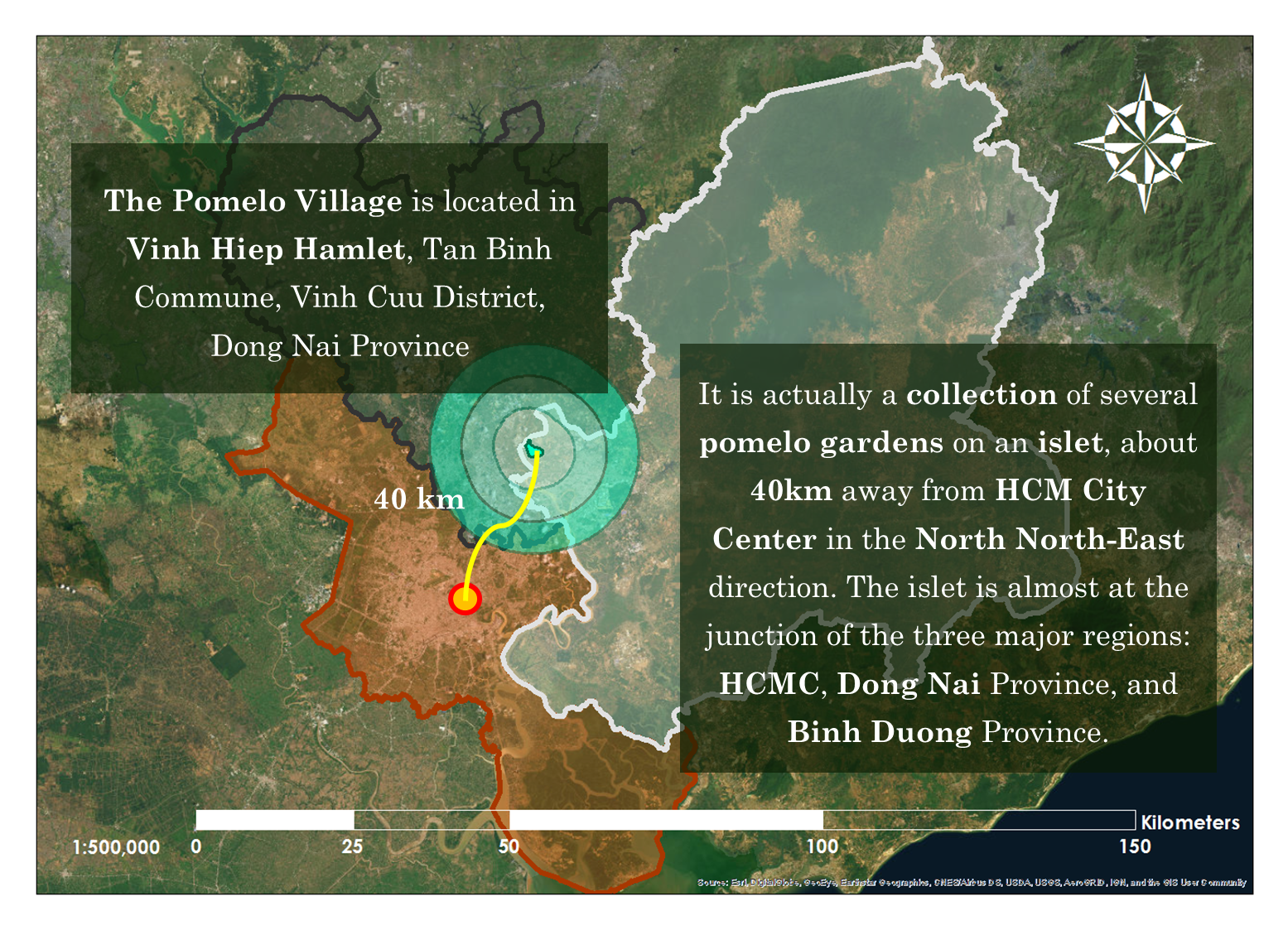
Just 40 kilometers from the bustling streets of Ho Chi Minh City lies Tan Trieu, a village where the rhythm of life is set not by traffic, but by the harvest of its iconic pomelo orchards. While the sweet, fragrant fruit is the product, the real story of Tan Trieu is one of an essential urban-rural partnership, a symbiotic relationship that bridges the gap between massive consumer demand and traditional agricultural mastery.
Why the Supply Chain is the Lifeline
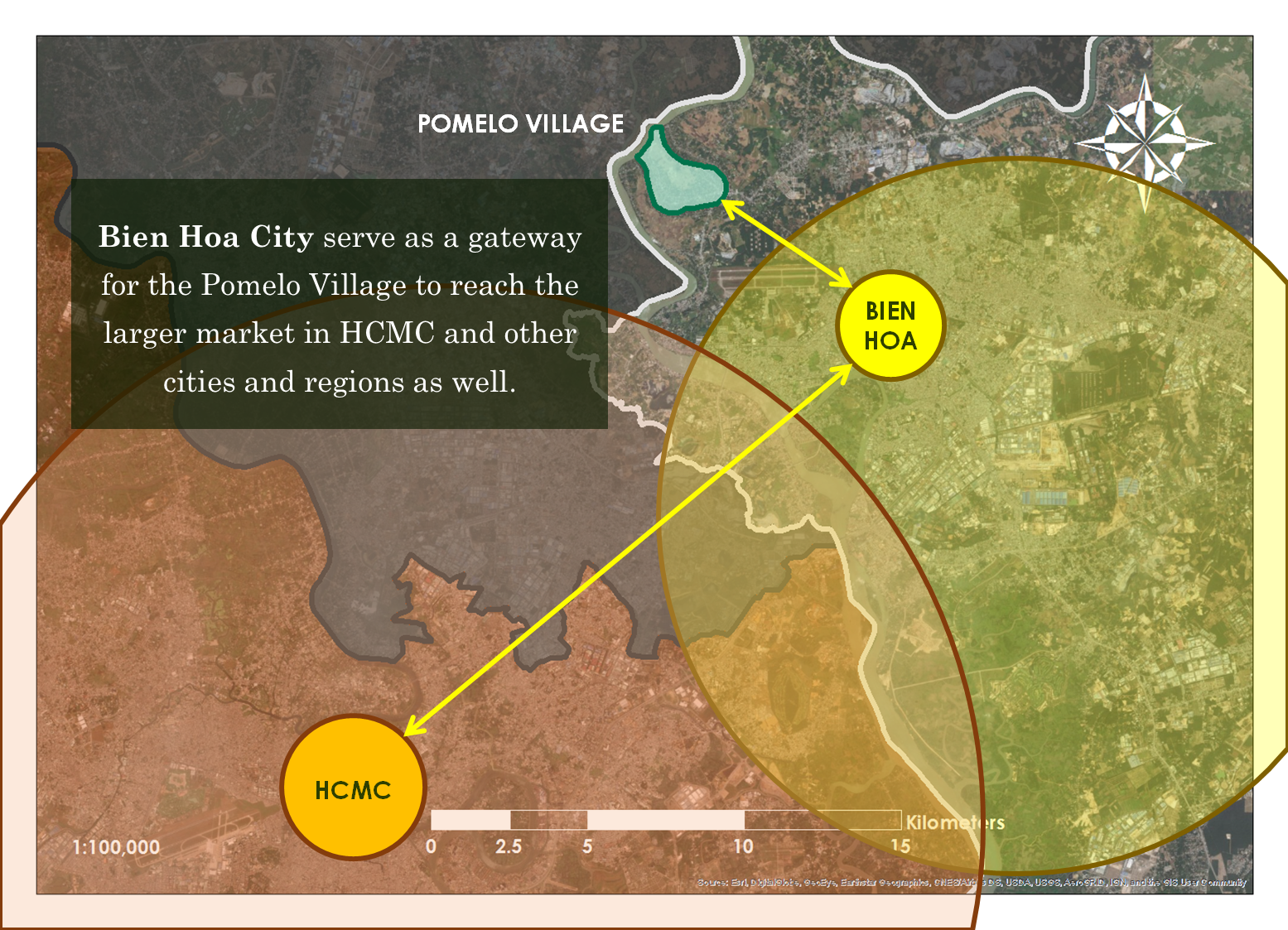
In the context of a sprawling urban center, the supply chain is far more than logistics; it is the bridge that maintains the vitality of rural heritage. Market access allows the proximity of the urban area to provide Tan Trieu with a massive, high-demand customer base, enabling small-scale orchard owners to scale their operations beyond local subsistence. Furthermore, through the efficiency of structure, the village formalizes the supply chain from orchard to wholesale markets and finally to urban tables, ensuring that the fruit maintains the quality and brand integrity essential for competing in a modern economy. Finally, a robust supply chain provides economic stability as a buffer; by integrating value-added products like pomelo wine and medicinal goods into the urban retail network, farmers insulate themselves against the seasonal price fluctuations of raw produce.
The Urban-Rural Partnership: Lessons for the Future
The relationship between Tan Trieu and the neighboring urban landscape offers a blueprint for sustainable development, proving that the benefits are clear when rural areas and cities function as partners rather than separate entities. This includes sustainable consumption and ecotourism, where the city provides demand for “green” experiences, creating the economic incentive for the village to protect its environment rather than convert land for industrial use. Additionally, the partnership facilitates a knowledge and resource exchange, where the urban market brings higher standards for branding and consumer experience, while the rural side provides the authentic identity and ecological services that urban dwellers seek. Through mutual resilience, as urban centers grow and require the ecological health and food security that rural partners provide, rural villages like Tan Trieu simultaneously require the infrastructure and investment that urban connectivity enables.
Seeing Beyond the Fruit
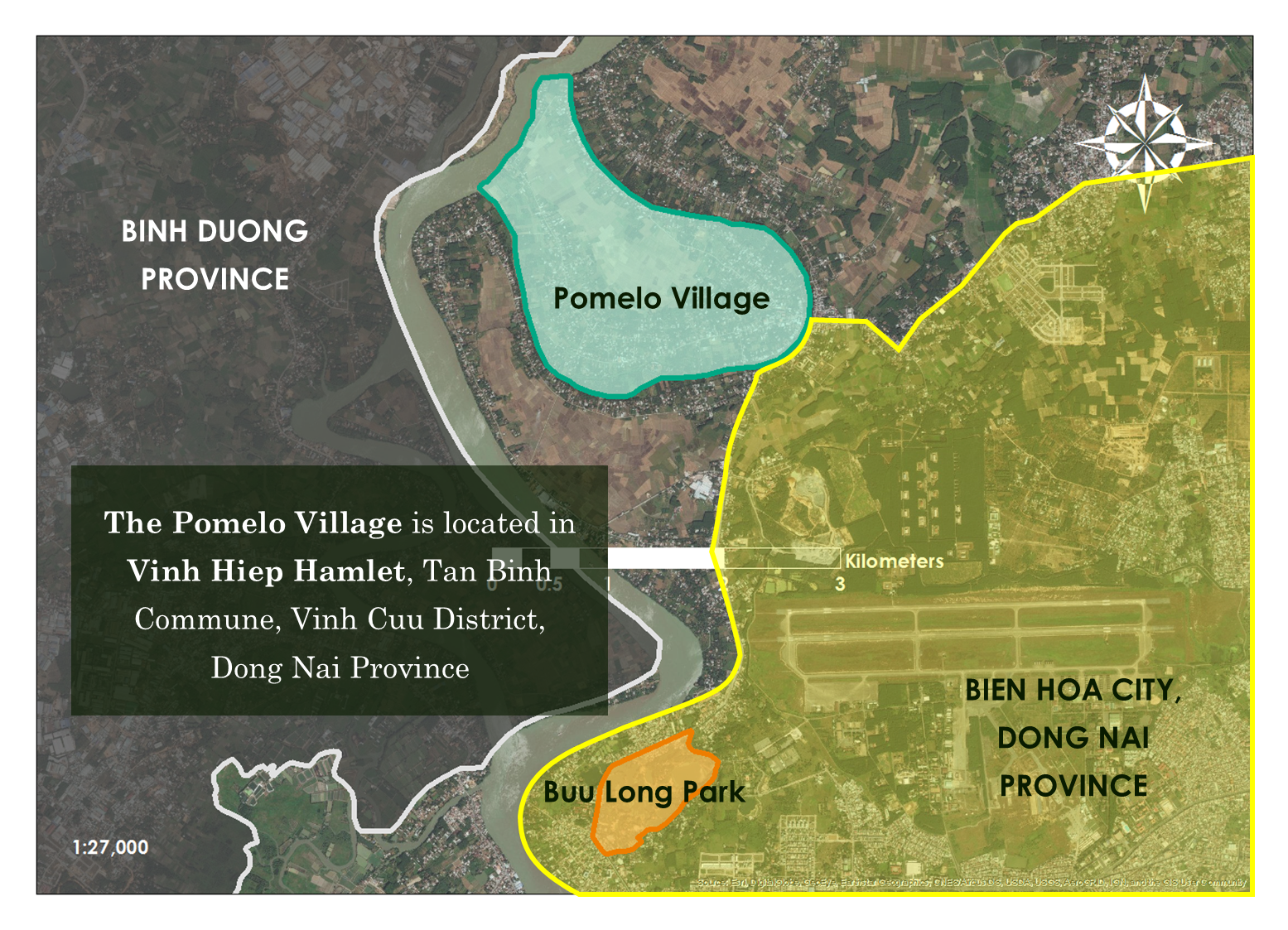
Tan Trieu demonstrates that urban-rural partnerships are the antidote to the “urban sprawl” narrative. Instead of the city swallowing the countryside, the city and countryside can evolve in a way that respects the village’s identity while enhancing the city’s quality of life.
The future of this partnership depends on how well we manage the supply chain and tourism infrastructure. If we treat the village as a partner rather than just a resource, we preserve a cultural gem while providing a modern city with the essential connection to nature it requires to remain vibrant and sustainable.